Cooking for One or Two Without Wasting Half the Pack
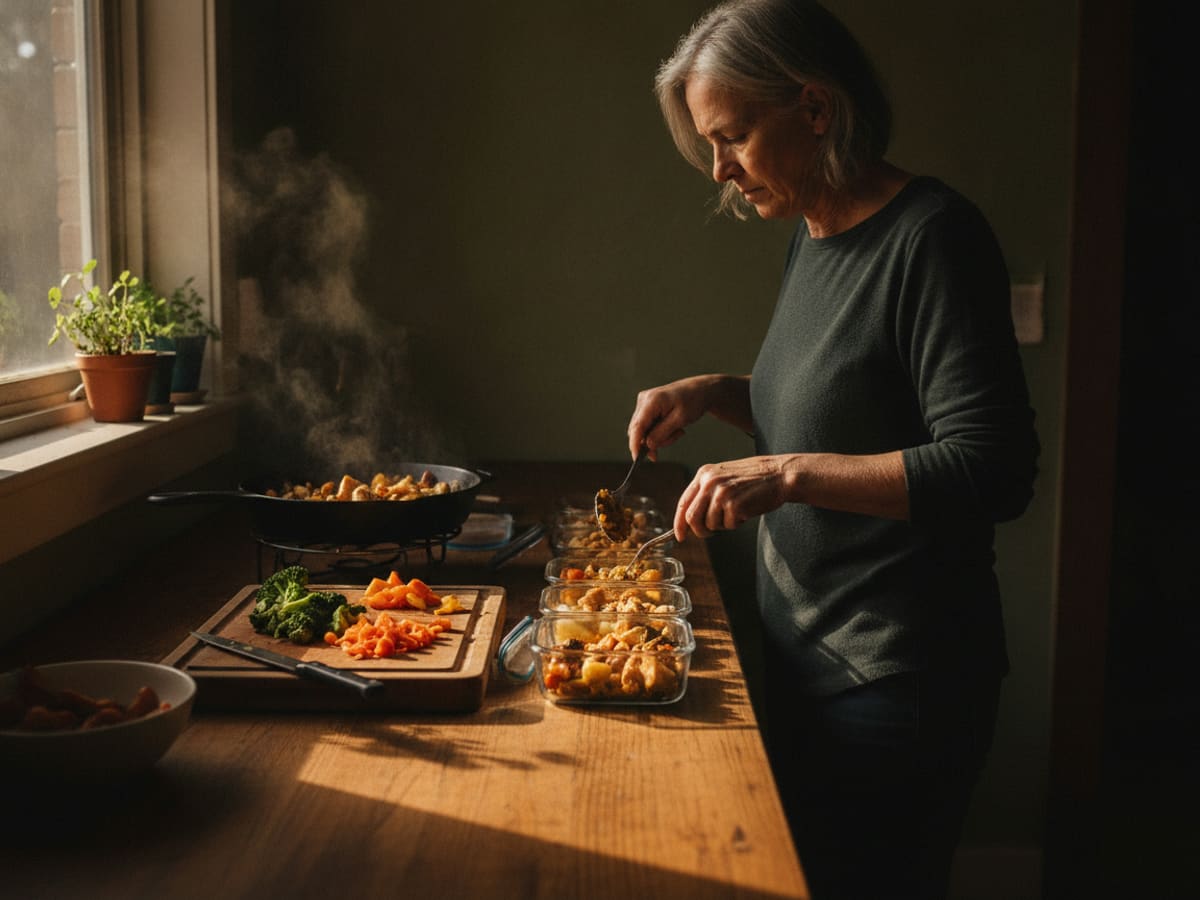
Recipes and packages are often built for a bigger table. This Guide shows how to scale down, freeze smartly and plan so fresh food gets eaten.
Why packages assume a crowd
Walk through any grocery store and you'll notice that most food is packed with a family of four in mind. A head of cabbage, a pound of ground meat, a loaf of bread, a bag of potatoes. For one or two people, these amounts can feel like a dare.
That's not a failing on your part. It's just how food gets packaged and sold. The good news is that a few small habits can close the gap between what stores sell and what your household actually eats.
The goal isn't to cook tiny, fussy portions every night. It's to buy and cook in a way that lets you use what you bring home, and to enjoy your meals instead of getting bored by them.
Shopping in smaller, flexible amounts
Start by looking for places where you can choose your own quantity. The produce section often lets you pick one pepper, two carrots or a single sweet potato. The deli and meat counters can usually portion things to order. Bulk bins let you scoop a cup of rice or a handful of nuts rather than a whole bag.
Frozen vegetables and fruit are a quiet hero for small households. You pour out what you need and the rest stays put. The same goes for frozen fish fillets or chicken pieces that are packed individually.
A few other habits help:
- Plan three or four dinners a week, not seven, and leave room for leftovers and a "whatever's in the fridge" night.
- Pick ingredients that work in more than one meal. A bunch of cilantro, for example, can go on tacos, into rice and over eggs.
- Check what you already have before you shop, especially the back of the fridge and pantry.
- Buy the delicate things (leafy greens, berries, fresh herbs) in smaller amounts, and the sturdy things (cabbage, carrots, onions, winter squash) in larger ones, since they last longer.
Cooking once and changing it up
Cooking a bigger batch can save time and effort, but nobody wants the exact same plate on Monday, Wednesday and Friday. The trick is to cook components rather than complete meals.
Say you roast a tray of vegetables, cook a pot of grains and make a batch of simple beans or shredded chicken. Those three things can become very different dinners:
- A grain bowl with the vegetables, the protein and a spoonful of sauce or dressing.
- A wrap or stuffed pita with the same fillings and something crunchy.
- A quick soup, made by simmering leftovers in broth with a pinch of whatever spices you like.
- A frittata or scramble, with roasted vegetables folded into eggs.
Changing the sauce, the seasoning or the "container" (bowl, tortilla, bread, soup) is often enough to make leftovers feel new. A squeeze of lemon, a spoonful of something spicy or a handful of fresh herbs can do a lot of work.
What freezes well and what doesn't
Your freezer is the best tool you have for stretching a pack of food across weeks instead of days. It works better for some foods than others.
Foods that generally freeze well:
- Soups, stews, chili and braises
- Cooked beans and grains
- Bread, tortillas and muffins, ideally sliced or separated
- Raw meat and fish, divided into meal-sized portions
- Cooked meatballs, burgers and casseroles
- Chopped onions, peppers and herbs (often best for cooked dishes later)
- Ripe bananas, which are handy for baking or smoothies
Foods that tend to disappoint:
- Lettuce, cucumbers and other watery raw vegetables
- Cooked pasta in delicate sauces, which can turn mushy
- Fried foods, which lose their crispness
- Dairy such as milk-based sauces or soft cheeses, which may separate or turn grainy
- Raw potatoes, which can darken and go soft
When in doubt, freeze a small test portion first and see how you like it after a week or two.
Cool food fully before freezing, and press out as much air as you can from bags. Flat bags stack neatly and thaw faster than bulky containers. For food safety, thaw in the refrigerator rather than on the counter, and reheat leftovers until they're steaming hot.
Labeling and rotating the freezer
A freezer can become a place where good intentions go to hide. A simple system keeps that from happening.
Write the name of the food and the date on every bag or container. Painter's tape and a marker work well, and so does writing directly on a freezer bag. It's surprising how many frozen things look identical after a month.
Then keep a "use first" spot, such as the front of a shelf or a single bin, for the oldest items. When you add something new, slide it to the back. Once a week, glance at the freezer while you plan meals and choose something from the front.
Freeze in portions you'll actually use. One or two servings per container means you thaw only what you need, rather than defrosting a family-size block.
Simple scaling for favorite recipes
Most recipes can be scaled down with a little arithmetic and some common sense. Halving is the easiest, and many recipes also work in thirds or quarters.
A few things to keep in mind:
- Use a smaller pan. Food in a too-large pan can dry out or cook unevenly.
- Check for doneness earlier than the recipe says, since smaller amounts often cook faster.
- Go lighter on salt, spices and strong flavors at first, then taste and adjust.
- For eggs, beat one and use half, or use a whole egg and bake a slightly smaller dish.
- Soups, stews and sauces are forgiving, so these are good places to practice.
Baking is trickier, so you may prefer to make the full recipe and freeze the extras, such as muffins, cookies or a loaf cut into slices.
Over time, you'll learn which dishes you like to make in full and which you prefer to shrink. That's the real payoff: a kitchen that fits your household instead of an imaginary crowd.